How to Clean a Trampoline the Right Way (Without Damaging the Mat)
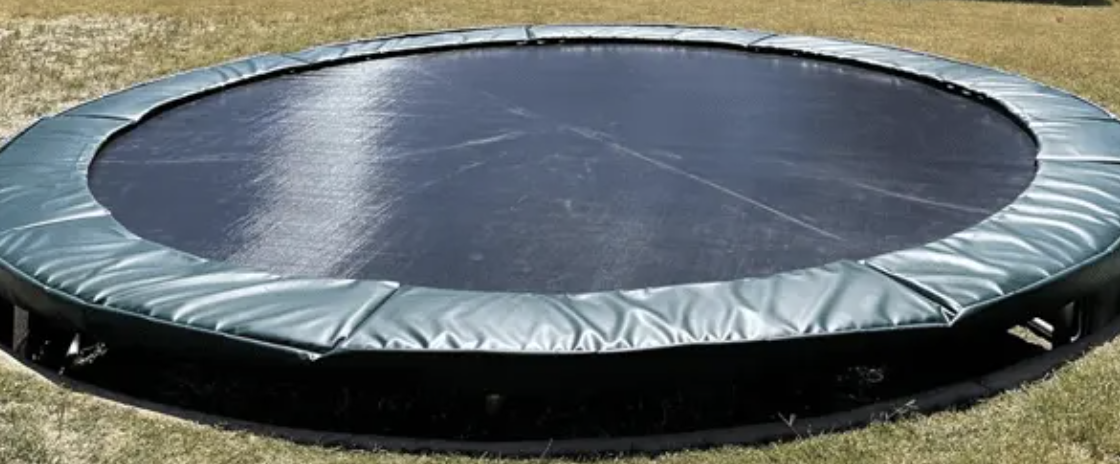
The Best Time of Year to Clean Your Trampoline
The best time to clean a trampoline is late spring, just as consistent warm weather returns but before peak summer use begins. Spring cleaning removes winter grime, pollen, mold spores, and debris that quietly weaken the jump mat after months of moisture and inactivity.
A second ideal window is early fall, before leaves begin piling up and trapping moisture. Cleaning at these two points—spring and fall—dramatically reduces mold, extends mat life, and keeps the surface safe and grippy.
This guide walks you through the safest, manufacturer-approved way to clean a trampoline jump mat, explains the mistakes that ruin mats early, and shows you when cleaning is no longer enough.

What You’ll Need (Safe Supplies Only)
Approved Cleaning Supplies
-
Mild dish soap or gentle laundry detergent
-
Bucket of warm water
-
Soft-bristle brush or large sponge
-
Garden hose with gentle spray
-
Old towels (optional)
Optional for Mold or Algae
-
White vinegar
-
Oxygen bleach (non-chlorine)
What NOT to Use (Very Important)
-
Pressure washers
-
Chlorine bleach
-
Degreasers or ammonia
-
Stiff brushes, scrub pads, or wire brushes
Step-by-Step: How to Clean a Trampoline Jump Mat Safely
Step 1: Remove Loose Debris First
Before adding water, remove leaves, dirt, pollen, and twigs using a broom or leaf blower.
Skipping this step causes grit to grind into the mat during scrubbing, accelerating wear.
Step 2: Rinse Gently
Use a garden hose to rinse off surface dirt.
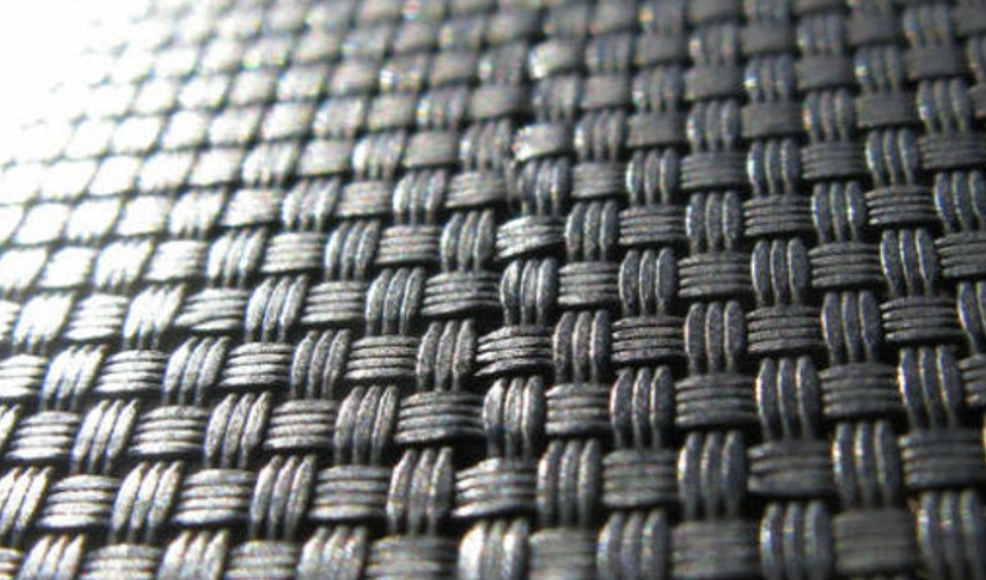
Avoid strong spray settings—high pressure stretches stitching holes and weakens the mat’s weave over time.
Step 3: Wash With Mild Soap
Mix:
-
1–2 teaspoons of mild soap per gallon of warm water
Dip a soft brush or sponge into the solution and scrub gently using circular motions. Focus on:
-
High-traffic center areas
-
Areas with visible dirt or pollen
-
Bird droppings or sweat residue
Never scrub aggressively—pressure does more harm than dirt.
Step 4: Treat Mold or Algae (If Needed)
If you see black or green patches:
Vinegar Method
-
Mix equal parts white vinegar and water
-
Spray on affected areas
-
Let sit 10–15 minutes
-
Lightly scrub and rinse
Oxygen Bleach Method
-
Follow product instructions
-
Use sparingly
-
Rinse thoroughly
If mold has penetrated stitching or edges, cleaning may not restore strength.
Step 5: Rinse Thoroughly
This step matters more than people realize.
Soap residue:
-
Makes the mat slippery
-
Attracts dirt faster
-
Breaks down fibers when exposed to sun
Rinse until the surface feels slightly textured, not slick.
Step 6: Let the Mat Dry Completely
Allow the mat to air-dry fully before use. Sunlight helps kill bacteria and mildew, but avoid letting standing water repeatedly bake in direct sun.
Never jump on a wet mat—it’s a slipping hazard.
Small Nuances That Prevent Long-Term Damage
-
Slippery after drying? That means soap residue is still present.
-
Wet leaves are dangerous because they trap moisture and cause localized mold.
-
Covers help—but only if drained and aired. Pooling water adds stress and encourages mildew.
-
Shiny or thinning areas often signal fiber fatigue, not cleanliness.
-
Stiff brushes quietly shorten mat lifespan, even if damage isn’t obvious.
How Often Should You Clean a Trampoline?
-
Light use: every 1–2 months
-
Heavy use, kids, pets, or pollen-heavy areas: monthly
-
After storms or muddy play: quick rinse immediately
Regular light cleaning is better than infrequent deep scrubbing.
Cleaning Time = Inspection Time
While cleaning, check for:
-
Fraying edges
-
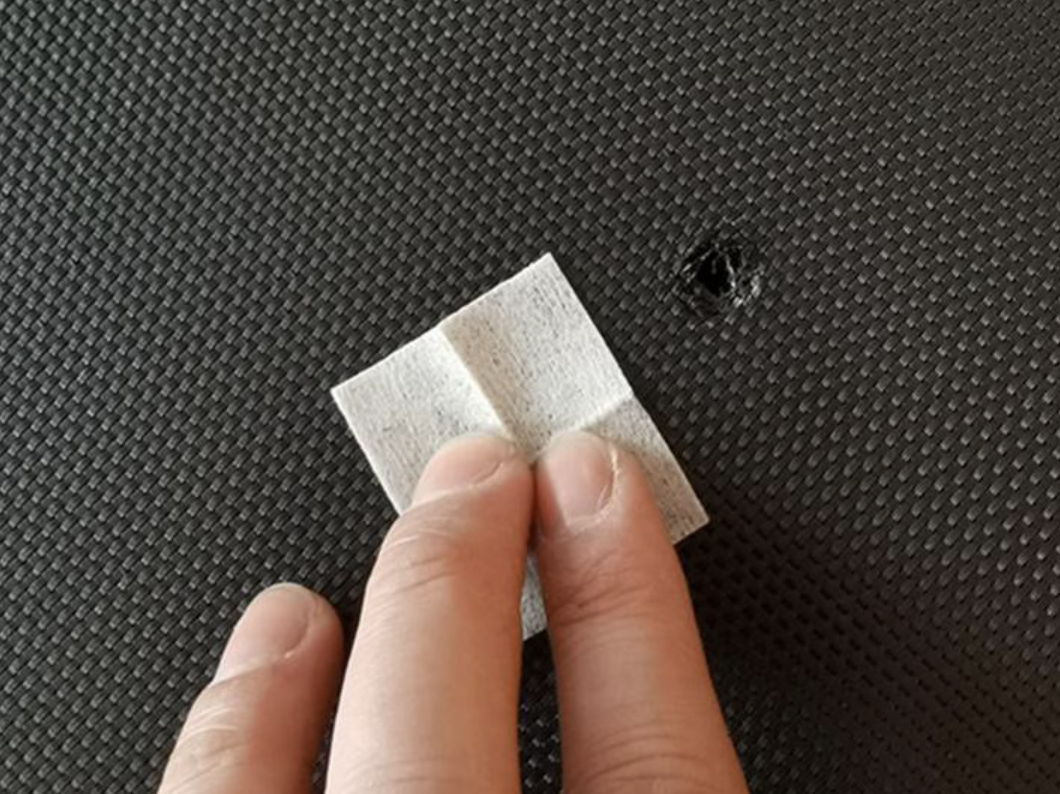
Loose or broken stitching – see repair kits
-
Thin or see-through areas
-
Uneven bounce zones
Cleaning reveals early failure signs that are easy to miss otherwise. If you need trampoline parts, click here.
Common Mistakes to Avoid
-
Using a pressure washer
-
Using chlorine bleach
-
Leaving soap residue
-
Cleaning in extreme heat
-
Letting covers trap water
-
Ignoring mold at mat edges
Most trampoline mats fail due to maintenance mistakes, not age alone.
Frequently Asked Questions
Can I use a pressure washer on a trampoline mat?
No. Even low pressure can weaken fibers and stitching, leading to sudden failure later.
Why does my mat feel slippery after cleaning?
Soap residue remains. Rinse again until the surface feels lightly textured.
Can cleaning restore bounce to an old mat?
No. Reduced bounce is caused by fiber fatigue or worn springs, not dirt.
Is mold on a trampoline dangerous?
Surface mold can be cleaned safely, but mold in stitching or edges weakens the mat and may require replacement.
How long should I wait before using it again?
Until the mat is completely dry.
When to Replace Instead of Clean
Replace the mat if you notice:
-
Fraying or loose stitching
-
Thin or shiny spots
-
Uneven bounce
-
Visible structural wear
Cleaning cannot restore structural integrity.
Final Tips for Keeping Your Trampoline Clean & Safe
-
Enforce a no-shoes rule
-
Rinse mud off promptly
-
Remove leaves before they get wet
-
Use covers correctly (and drain them)
-
Do seasonal inspections
A trampoline that’s cleaned gently and regularly lasts longer, bounces better, and stays safer for everyone using it.