Uncategorized
Zupapa Trampoline Review
Zupapa trampolines are recognized for their durability, safety, and ease of assembly, making them a popular choice for families. In this article, we will explore the main features of Zupapa trampolines, compare their advantages, and provide insights from various user experiences, including YouTube reviews and customer feedback on Amazon.
Key Features
- No-Gap DesignZupapa’s patented “No-Gap Design” ensures the jumping mat and spring cover are sewn together tightly, eliminating gaps where feet and hands could potentially get caught. This design enhances both safety and the available jumping space.
- Weight CapacityAccording to the Amazon listing, Zupapa trampolines support a static load of up to 1500 lbs and a dynamic load of 425 lbs, making them capable of accommodating multiple users at once.
- Hot-Dip Galvanized FrameZupapa uses hot-dip galvanizing technology to make their trampoline frames highly resistant to rust, extending the product’s life by five times compared to standard galvanization.
- Wind StakesFor additional stability, especially in areas prone to strong winds, Zupapa includes wind stakes that anchor the trampoline to the ground securely.
- Safety EnclosureThe 6-foot-high PE enclosure net is designed to prevent people from falling off the trampoline, while the padded poles provide extra cushioning in case of accidental impacts.
Assembly and Disassembly
- Assembly Time: On average, two adults can assemble a Zupapa trampoline in 2-3 hours. In subsequent setups, assembly times reduce as users become familiar with the process. Disassembly, particularly for winter storage, is more involved, requiring additional time to remove the net and padding properly.
- Winter Storage: In areas with light snowfall, you can unhook some net hooks to make snow removal easier without dismantling the entire trampoline. However, in regions with harsh winters, it is recommended to fully disassemble the trampoline to prevent damage from snow accumulation.
Durability and Longevity
Zupapa trampolines are designed to withstand various weather conditions. Many reviewers praise the rust-resistant galvanized frame, with some users reporting no visible rust even after prolonged outdoor exposure.
The trampoline’s build quality, from the UV-resistant mat to the high-tensile springs, ensures that it provides a long-lasting performance.
Safety Features
- Padded Poles: All enclosure poles are padded to cushion any accidental impacts.
- Enclosure Net: The PE safety net offers extra protection by keeping jumpers inside the trampoline. It also includes a double-buckle closure for added security.
- Wind Stakes: These stakes prevent the trampoline from tipping over during storms, making it suitable for windy climates.
Customer Feedback
Based on Amazon reviews (4.8/5 from over 2,000 ratings), users consistently praise Zupapa trampolines for their:
- Build Quality: Most users find the trampoline well-built, robust, and stable.
- Safety: Customers appreciate the no-gap design, fully padded springs, and the reliable enclosure net.
- Ease of Assembly: Many find the assembly process straightforward, especially with clear instructions.
However, some users note that disassembling for winter storage takes more time and effort compared to other brands.
Maintenance Guide
- Cleaning: Regularly clean the jumping surface and enclosure net to remove dirt and debris.
- Inspection: Frequently check for wear and tear, especially on the springs, mat, and enclosure net.
- Winter Storage: In harsh climates, disassemble the trampoline entirely, particularly the fabric components, to avoid damage from snow and ice.
- Frame Protection: The hot-dip galvanized frame reduces the risk of rust, but periodic inspection ensures the frame stays in good condition.
Conclusion
The Zupapa trampoline is a top-tier option for families seeking a durable, safe, and long-lasting product. While it comes at a higher price point than some competitors, the quality and range of features, including its impressive weight capacity, hot-dip galvanized frame, and extensive safety measures, justify the cost. For those willing to invest in a premium trampoline, Zupapa offers excellent value, though users in colder climates should be prepared for more effort when it comes to disassembling for winter storage.
Would you like to adjust this further, or add specific user quotes and testimonials? Let me know if you’d like to refine any section!
4o
You said:
this is fantastic as an outline let’s write it
ChatGPT said:
ChatGPT
Memory updated
Zupapa Trampoline Review
When it comes to outdoor fun for families, the Zupapa trampoline has built a strong reputation for durability, safety, and an overall premium experience. In this review, we will explore why Zupapa trampolines have earned glowing reviews, delve into their standout features, and assess the value they provide to buyers.
Key Features
No-Gap Design
One of the most important safety features of the Zupapa trampoline is its patented “No-Gap Design.” Unlike traditional trampolines where there is often a space between the jumping mat and the springs, the Zupapa trampoline eliminates this risk by tightly sewing the mat and the spring cover together. This design minimizes the chances of jumpers getting their hands or feet caught, and it maximizes the jumping surface for added fun.
Weight Capacity
A trampoline’s weight capacity is crucial, especially for families. Zupapa’s trampolines boast an impressive static load capacity of 1,500 pounds and a dynamic load capacity of 425 pounds. This means multiple users can enjoy the trampoline simultaneously, making it an excellent choice for gatherings or large families.
Hot-Dip Galvanized Frame
Zupapa trampolines are built to last, thanks in part to the use of hot-dip galvanizing technology for their frames. This process coats the frame in a thick layer of zinc, which prevents rust and extends the frame’s lifespan up to five times longer than standard galvanization methods. This feature ensures that your trampoline will remain rust-free and sturdy, even after prolonged exposure to outdoor elements.
Wind Stakes for Stability
For users in areas prone to high winds, Zupapa includes wind stakes with every trampoline. These stakes securely anchor the trampoline to the ground, preventing it from tipping over or shifting during strong winds, which adds an extra layer of safety.
Safety Enclosure
The trampoline is surrounded by a 6-foot-high PE safety net that prevents users from accidentally falling off. The poles supporting the net are padded to reduce the risk of getting hurt if someone bumps into them. The safety enclosure uses a double-buckle closure system, ensuring it stays securely fastened while the trampoline is in use.
Assembly and Disassembly
Assembly Time
Many reviewers agree that setting up the Zupapa trampoline is straightforward. Typically, it takes two adults between 2-3 hours to assemble the trampoline for the first time. However, once users are familiar with the process, reassembly is quicker and can take under two hours. The trampoline comes with clear, step-by-step instructions that make the process manageable, even for those who may not be particularly handy.
Winter Storage Disassembly
For users in regions with mild winters and light snowfall, the trampoline can remain assembled year-round. You can remove the fabric components (mat, net, and padding) and leave the frame intact. However, in areas with heavy snowfall, disassembling the entire trampoline is recommended to avoid damage. This process takes additional time, as it involves removing the net poles, mat, and other key components. Reviewers note that while disassembly is more time-consuming than assembly, it is necessary for maintaining the longevity of the trampoline in harsh climates.
Durability and Longevity
Zupapa trampolines are built with high-quality materials designed to withstand outdoor conditions. The jumping mat is made out of UV-resistant polypropylene (PP), which prevents deterioration from exposure to sunlight. Combined with the rust-resistant hot-dip galvanized frame and high-tensile steel springs, the trampoline offers excellent durability.
Many users have reported that their trampolines remained in great condition after years of use. Even in areas with harsh weather, there were minimal signs of wear and tear, and any issues were promptly addressed by Zupapa’s customer service team, who offer replacements when necessary.
Safety Features
Zupapa takes safety seriously, incorporating several critical features to ensure users can jump with peace of mind:
- No-Gap Design: Prevents limbs from getting caught between the jumping mat and springs.
- Enclosure Net: A high, durable net keeps users securely on the trampoline.
- Padded Poles: Thick foam padding on all enclosure poles reduces the impact of any collisions.
- Wind Stakes: These ensure that the trampoline stays securely in place, even during windy conditions.
These safety features make the Zupapa trampoline an excellent choice for families with younger children, as well as adults who want to enjoy a fun and secure experience.
Customer Feedback
Overall Ratings
Zupapa trampolines consistently receive high ratings from customers, averaging 4.8 out of 5 stars on platforms like Amazon. Here’s a breakdown of the aspects customers frequently praise:
- Build Quality: Users note the trampoline feels extremely sturdy, with materials that are durable and long-lasting.
- Ease of Assembly: The majority of customers find the assembly process straightforward, thanks to clear instructions and well-designed parts.
- Safety: Many families appreciate the thoughtful safety features, such as the padded poles and secure net enclosure.
- Value for Money: Despite being priced higher than some competitors, buyers feel the premium quality and long-lasting durability justify the investment.
Customer Concerns
While the overall sentiment is positive, a few users have mentioned that the process of disassembling the trampoline for winter storage can be cumbersome, particularly for those living in colder climates. Additionally, some users have experienced minor issues with the springs after extended use, though Zupapa’s customer service has been prompt in providing replacement parts.
Maintenance Guide
To ensure the longevity of your Zupapa trampoline, regular maintenance is essential. Here’s a simple maintenance routine:
- Cleaning: Wipe down the jumping surface and enclosure net regularly to remove dirt and debris.
- Inspection: Frequently check the frame, springs, mat, and enclosure net for any signs of wear or damage. Tighten bolts and screws as needed.
- Seasonal Storage: For harsh winters, remove the net, mat, and padding and store them in a dry location. This will prevent weather damage and extend the life of your trampoline.
- Frame Protection: Thanks to the hot-dip galvanized frame, you won’t have to worry much about rust, but periodic inspections can catch any potential issues early.
Conclusion
Zupapa trampolines are a top choice for families looking for a safe, durable, and long-lasting trampoline. Their premium features, including the no-gap design, hot-dip galvanized frame, and robust safety measures, make them stand out from the competition. While they may cost more than other trampolines, the long-term value and exceptional customer support justify the investment.
For those in cold climates, it’s important to consider the extra time required for disassembly during winter months. However, the overall quality, safety, and enjoyment that the Zupapa trampoline provides make it an excellent investment for any family looking to add fun and excitement to their backyard.
🛡️ The Ultimate Buying Guide for Trampoline Nets (That Won’t Rip, Slip, or Leave You Guessing)
Every year, trampoline-related injuries send thousands of kids to the ER — and most of them happen because there’s no net or the net failed. If your current net is torn, missing, or just not doing the job, this guide is your no-nonsense roadmap to getting the right one before someone gets hurt.
We’ll cover:
✅ How to measure your trampoline correctly
✅ What materials last (and what falls apart fast)
✅ What features really matter (and which are just hype)
✅ Our top picks based on real-world performance
✅ Common mistakes people make when buying replacement nets
🔍 What to Know Before You Buy a Trampoline Net
📏 Step 1: Measure Before You Click “Buy”
A wrong fit = wasted money and unsafe jumping. Here’s how to get it right:
- Round trampolines: Measure across the frame edge to edge — straight through the center.
- Rectangular trampolines: Measure both the width and length.
- Count your poles: You’ll need to match the number of poles or arches to the net you buy.
🛠️ Pro tip: Most replacement nets are specific to a pole style — straight, curved, or arch. Know what you have.
🏷️ Identify Your Trampoline Model
Check the frame for labels, tags, or engraved numbers — usually near the legs or entry point. This info helps match your net with brand-specific or universal options.
🧵 Step 2: Choose the Right Net Material
| Material | Durability | UV Resistance | Cost | Best For |
|---|---|---|---|---|
| PE (Polyethylene) | Good | Moderate | Low | Budget-friendly replacements |
| PP (Polypropylene) | Very Good | High | Medium | All-season outdoor use |
| Polyester | Excellent | Excellent | High | Premium, long-term durability |
💡 Look for UV protection no matter what material you pick — it prevents the net from becoming brittle in the sun.
🧩 Step 3: Know the Net Types — Inside vs Outside
| Net Type | Pros | Cons |
|---|---|---|
| Inside | Keeps jumpers away from springs | Slightly reduces jumping space |
| Outside | Maximizes jumping area | Can expose springs if padding shifts |
🔐 Safety tip: Inside nets are better for kids. They keep bodies far from springs and metal parts.
✅ Must-Have Safety Features
- 🔒 Zipper or Overlap Entry: Prevents accidental falls through open netting
- 🥽 Padded Poles: Extra cushioning where it counts
- 🧶 Tight Weave Netting: Prevents tears and holds up to hard use
- 🧷 Reinforced Stitching: Holds strong even with repeated impact
- 🔄 Replacement Kit or Net Only? Some listings include poles, clips, or sleeves — others only include the net. Always check.
🔧 Install It Right — Stay Safe Longer
- Follow the manual step by step (don’t skip ahead!)
- Make sure every strap or sleeve is secure and tight
- Do a weekly tension check during high-use months
🧽 Clean your net every few weeks to keep mold, grime, and UV damage at bay.
🔝 Top Trampoline Safety Nets (Tested & Reviewed)
⭐ Machrus Upper Bounce Replacement Nets
Price: $69.99 at Home Depot
Why We Like It: Fits a wide range of sizes, works with straight/curved poles, inside/outside options, very durable and weatherproof.
Downside: Installation complexity may vary depending on pole type.
🧩 Skywalker 12′ Round Enclosure Net
Price: $57.30 at Home Depot
Why We Like It: Trusted brand, UV-protected polyethylene, easy install with reinforced buttonholes.
Downside: Designed for Skywalker models — check compatibility if you have another brand.
💸 Milagru Store Universal Replacement Net
Price: $59.97 at Home Depot
Why We Like It: Wide range of sizes (8–16 ft), weather-resistant PE material, hooks included, budget-friendly.
Downside: Not as thick as premium materials.
🛡️ SkyBound USA 15ft Trampoline Nets
Why We Like It: Tailored for 15-ft trampolines, supports curved/straight poles, top ring compatible, very snug fit.
Downside: Only works for that specific size.
🥇 Avyna Pro Line Safety Enclosure (Trampolines.com)
Why We Like It: Premium build, lifetime durability, best warranty in the category.
Downside: Brand-specific and higher price point — but you get top-tier safety.
📌 Bonus: Common Mistakes to Avoid
- ❌ Buying based on jumping surface size instead of frame size
- ❌ Ignoring pole style (straight vs curved)
- ❌ Assuming all universal nets fit every brand
- ❌ Forgetting to confirm door placement/entry type
- ❌ Not checking what’s included in the package (just net vs full kit)
❓ FAQs
How do I measure my trampoline for a net?
For round frames, measure the diameter across the middle. For rectangles, measure length and width. Count poles too.
Can I mix brands?
Sometimes. Only buy a “universal” net if it clearly lists your size and pole count.
How long do trampoline nets last?
2–3 years on average. UV-protected and higher-end materials (like polyester) can last longer.
What if my net doesn’t fit?
Make sure to check return policies. Some brands allow exchanges or full refunds.
🚀 Final Tip: Don’t Wait for a Fall
Your trampoline net is the #1 safety feature protecting your family. A $50–$100 net now can save you thousands in hospital bills later.
🛒 Ready to upgrade? Check out the best trampoline nets here »
🏡 Planning Your Backyard Setup?
Before you go, don’t miss our Ultimate Trampoline Planning Kit!
🎉 It includes:
- A printable Safety & Setup Checklist
- A Trampoline Sizing + Space Planner
- A quick-start guide to choosing the right shape and style for your yard
📅 Grab it now for free and make sure you choose the right trampoline the first time.
Download the Planning Kit »
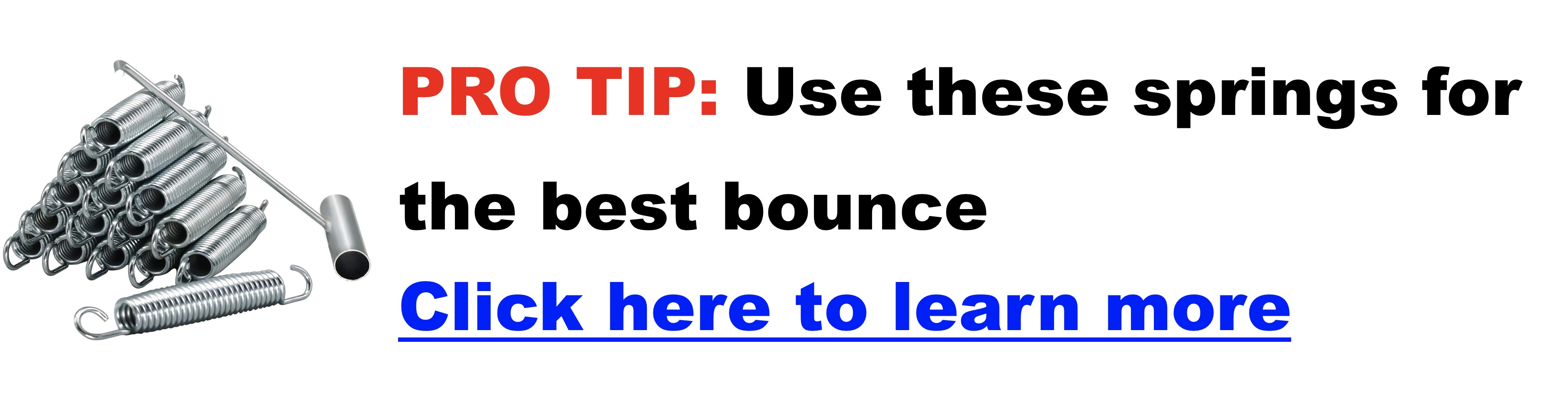
Best Trampoline Springs
When it comes to trampoline springs, choosing the right ones can significantly impact your trampoline’s performance, safety, and longevity. High-quality springs from brands like Acon and SkyBound offer durability and long-term value, making them a worthwhile investment.
| Spring Model | Material | Length (Inches) | Protective Coating | Wire Gauge | Key Features | Compatible Models |
|---|---|---|---|---|---|---|
| Eurmax Heavy Duty Stainless | Stainless Steel | 5.5” – 7” | Galvanized | Thicker gauge | Shockproof – Furthest stretch for best bounce |
Acon Air 13- or 16-Sport HD Trampolines |
| SkyBound Premium Springs | Galvanized Steel | 3.5” – 8.5” | Gold Zinc Coating | Thick gauge | – Rubber tips for safety – Rust-resistant with gold zinc coating |
Various (Check model-specific compatibility) |
| JumpSport Elite Springs | Galvanized Steel | 7” – 9” | Zinc Coating | Standard gauge | – Designed for high-performance bounce – Corrosion-resistant |
JumpSport Elite Trampolines |
| Upper Bounce Heavy Duty | Galvanized Steel | 7” | Zinc Coating | Standard gauge | – Thick coil diameter for durability – Weather-resistant |
Upper Bounce Trampolines |
| ORCC Replacement Springs | Stainless Steel | 7” – 8.5” | Stainless Steel (no coating needed) | Thicker gauge | – High rust resistance – Heavy-duty construction for high bounce |
Compatible with various brands (check specs) |
Popular Springs
1. Acon Piano Wire Springs
- Best For: Durability and High Performance
- Why Choose: Acon Piano Wire Springs are engineered for trampolines that need enhanced bounce performance. They offer 200% better fatigue resistance than standard springs, meaning they last much longer and maintain elasticity.
- Tip: Only compatible with Acon Air 13- or 16-Sport HD models.
2. SkyBound Premium Trampoline Springs
- Best For: All-Around Performance
- Why Choose: These springs come in various sizes and feature a gold zinc coating that protects against rust. They also have rubber tips to enhance safety, making them a great choice for families.
- Tip: Check the compatibility with your trampoline model, as some springs may not fit all SkyBound trampolines.
3. JumpSport Elite Springs
- Best For: High-End Recreational Use
- Why Choose: Designed for JumpSport Elite trampolines, these springs focus on providing an optimal bounce while ensuring longevity with zinc-coated, corrosion-resistant steel.
- Tip: Ideal if you own a JumpSport trampoline and are looking to maintain high performance over time.
4. Upper Bounce Heavy Duty Springs
- Best For: Budget-Friendly Durability
- Why Choose: These springs are a great option for those looking to replace trampoline springs without breaking the bank. They feature a thicker coil diameter, which improves durability and weather resistance.
- Tip: A versatile option compatible with most standard trampolines.
5. ORCC Stainless Steel Springs
- Best For: Harsh Weather Conditions
- Why Choose: If you need springs that can withstand extreme weather, ORCC stainless steel springs are a perfect option. They offer superior rust resistance and long-lasting performance without needing protective coatings.
- Tip: Compatible with a variety of trampoline brands—be sure to check your trampoline’s specifications.
How To Choose Trampoline Springs
1. Trampoline Size and Model
- Springs are designed to fit specific trampoline sizes and models. Always refer to the manufacturer’s recommendations or consult with a specialist before purchasing.
- Tip: Measure your current springs (unstretched) if you’re replacing them to ensure a proper fit.
2. Spring Length
- The length of the spring affects the bounce quality. Longer springs provide better stretch and softer landings, while shorter springs create a stiffer jump.
- Tip: Be sure to match the spring length to your trampoline’s original specifications.
3. Material Quality
- Trampoline springs are typically made from steel, but the type of steel and coating makes a difference.
- Galvanized Steel: Standard option with good rust resistance.
- Stainless Steel: Higher rust resistance, particularly in harsh or outdoor environments.
- Tip: Opt for stainless steel if your trampoline is in a humid or coastal area.
4. Protective Coatings
- Springs with protective coatings, such as zinc galvanization or powder coating, offer better protection against rust and corrosion, especially in outdoor settings.
- Tip: Check product specifications for details on coatings, which can extend the lifespan of the springs.
5. Wire Gauge
- The thickness of the spring wire (gauge) determines durability. Thicker wires provide greater strength and elasticity, resulting in better bounce performance and longer-lasting springs.
- Tip: A lower gauge number indicates thicker wire, which is generally better for strength and durability.
6. Brand Reputation
- Choosing reputable brands that prioritize safety and performance is key to ensuring a long-lasting trampoline. Brands like Acon and SkyBound are known for high-quality springs.
How to Clean a Trampoline the Right Way (Without Damaging the Mat)
The Best Time of Year to Clean Your Trampoline
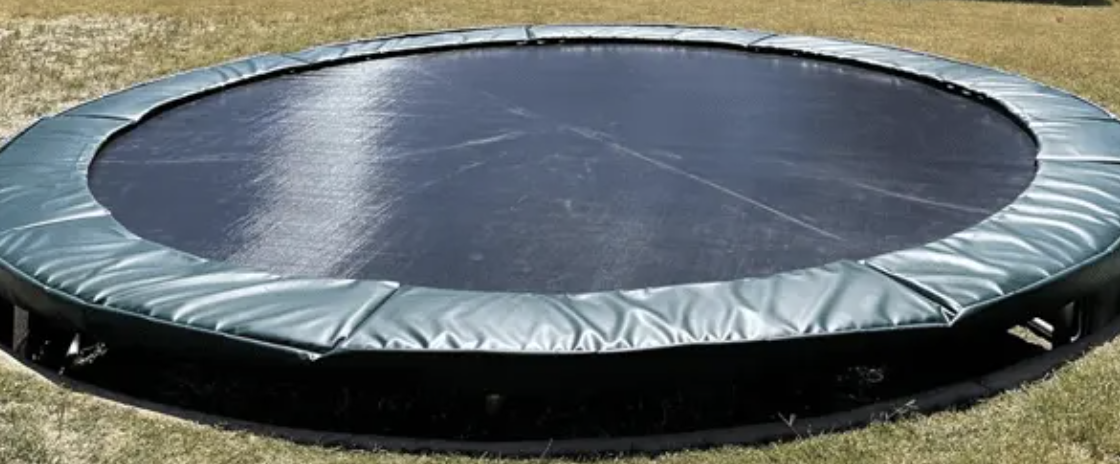
The best time to clean a trampoline is late spring, just as consistent warm weather returns but before peak summer use begins. Spring cleaning removes winter grime, pollen, mold spores, and debris that quietly weaken the jump mat after months of moisture and inactivity.
A second ideal window is early fall, before leaves begin piling up and trapping moisture. Cleaning at these two points—spring and fall—dramatically reduces mold, extends mat life, and keeps the surface safe and grippy.
This guide walks you through the safest, manufacturer-approved way to clean a trampoline jump mat, explains the mistakes that ruin mats early, and shows you when cleaning is no longer enough.

What You’ll Need (Safe Supplies Only)
Approved Cleaning Supplies
-
Mild dish soap or gentle laundry detergent
-
Bucket of warm water
-
Soft-bristle brush or large sponge
-
Garden hose with gentle spray
-
Old towels (optional)
Optional for Mold or Algae
-
White vinegar
-
Oxygen bleach (non-chlorine)
What NOT to Use (Very Important)
-
Pressure washers
-
Chlorine bleach
-
Degreasers or ammonia
-
Stiff brushes, scrub pads, or wire brushes
Step-by-Step: How to Clean a Trampoline Jump Mat Safely
Step 1: Remove Loose Debris First
Before adding water, remove leaves, dirt, pollen, and twigs using a broom or leaf blower.
Skipping this step causes grit to grind into the mat during scrubbing, accelerating wear.
Step 2: Rinse Gently
Use a garden hose to rinse off surface dirt.
Avoid strong spray settings—high pressure stretches stitching holes and weakens the mat’s weave over time.
Step 3: Wash With Mild Soap
Mix:
-
1–2 teaspoons of mild soap per gallon of warm water
Dip a soft brush or sponge into the solution and scrub gently using circular motions. Focus on:
-
High-traffic center areas
-
Areas with visible dirt or pollen
-
Bird droppings or sweat residue
Never scrub aggressively—pressure does more harm than dirt.
Step 4: Treat Mold or Algae (If Needed)
If you see black or green patches:
Vinegar Method
-
Mix equal parts white vinegar and water
-
Spray on affected areas
-
Let sit 10–15 minutes
-
Lightly scrub and rinse
Oxygen Bleach Method
-
Follow product instructions
-
Use sparingly
-
Rinse thoroughly
If mold has penetrated stitching or edges, cleaning may not restore strength.
Step 5: Rinse Thoroughly
This step matters more than people realize.
Soap residue:
-
Makes the mat slippery
-
Attracts dirt faster
-
Breaks down fibers when exposed to sun
Rinse until the surface feels slightly textured, not slick.
Step 6: Let the Mat Dry Completely
Allow the mat to air-dry fully before use. Sunlight helps kill bacteria and mildew, but avoid letting standing water repeatedly bake in direct sun.
Never jump on a wet mat—it’s a slipping hazard.
Small Nuances That Prevent Long-Term Damage
-
Slippery after drying? That means soap residue is still present.
-
Wet leaves are dangerous because they trap moisture and cause localized mold.
-
Covers help—but only if drained and aired. Pooling water adds stress and encourages mildew.
-
Shiny or thinning areas often signal fiber fatigue, not cleanliness.
-
Stiff brushes quietly shorten mat lifespan, even if damage isn’t obvious.
How Often Should You Clean a Trampoline?
-
Light use: every 1–2 months
-
Heavy use, kids, pets, or pollen-heavy areas: monthly
-
After storms or muddy play: quick rinse immediately
Regular light cleaning is better than infrequent deep scrubbing.
Cleaning Time = Inspection Time
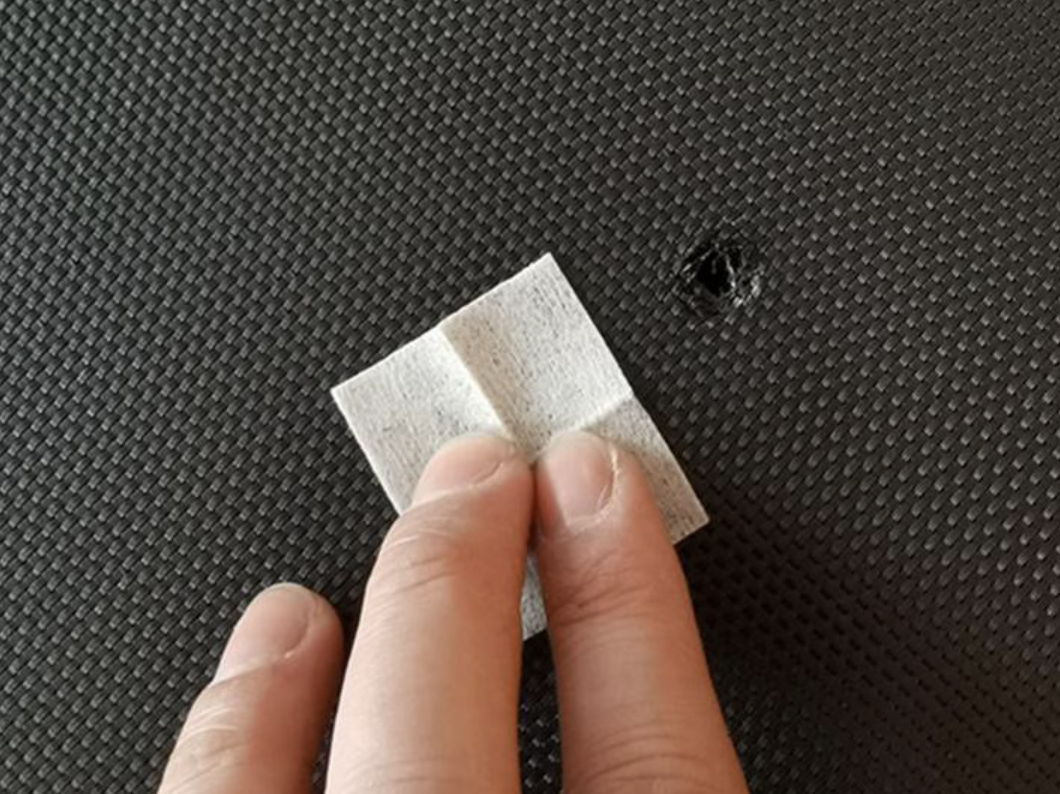
While cleaning, check for:
-
Fraying edges
-
Loose or broken stitching – see repair kits
-
Thin or see-through areas
-
Uneven bounce zones
Cleaning reveals early failure signs that are easy to miss otherwise. If you need trampoline parts, click here.
Common Mistakes to Avoid
-
Using a pressure washer
-
Using chlorine bleach
-
Leaving soap residue
-
Cleaning in extreme heat
-
Letting covers trap water
-
Ignoring mold at mat edges
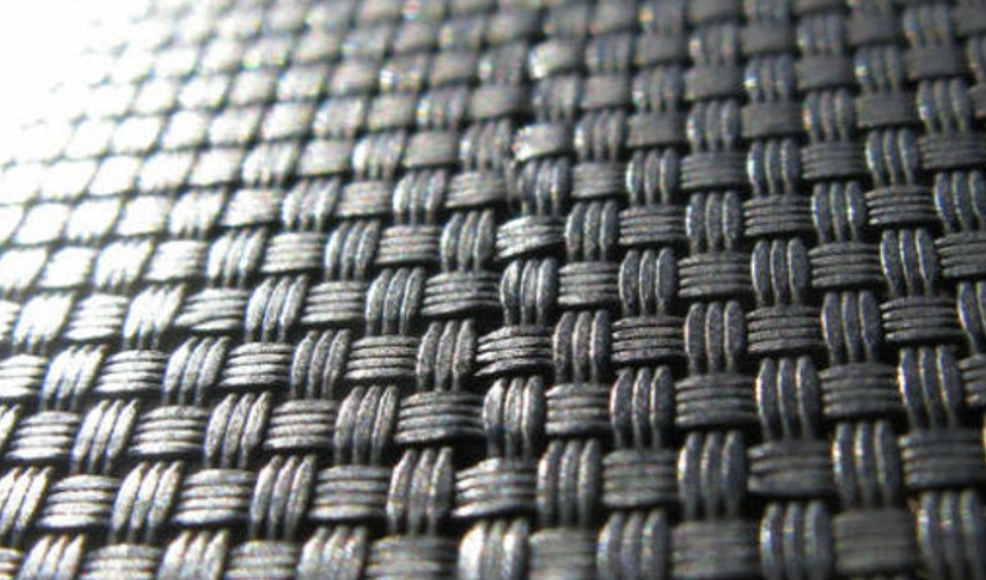
Most trampoline mats fail due to maintenance mistakes, not age alone.
Frequently Asked Questions
Can I use a pressure washer on a trampoline mat?
No. Even low pressure can weaken fibers and stitching, leading to sudden failure later.
Why does my mat feel slippery after cleaning?
Soap residue remains. Rinse again until the surface feels lightly textured.
Can cleaning restore bounce to an old mat?
No. Reduced bounce is caused by fiber fatigue or worn springs, not dirt.
Is mold on a trampoline dangerous?
Surface mold can be cleaned safely, but mold in stitching or edges weakens the mat and may require replacement.
How long should I wait before using it again?
Until the mat is completely dry.
When to Replace Instead of Clean
Replace the mat if you notice:
-
Fraying or loose stitching
-
Thin or shiny spots
-
Uneven bounce
-
Visible structural wear
Cleaning cannot restore structural integrity.
Final Tips for Keeping Your Trampoline Clean & Safe
-
Enforce a no-shoes rule
-
Rinse mud off promptly
-
Remove leaves before they get wet
-
Use covers correctly (and drain them)
-
Do seasonal inspections
A trampoline that’s cleaned gently and regularly lasts longer, bounces better, and stays safer for everyone using it.
Safest Trampoline Brands & Safety Rules
Trampolines provide hours of fun and exercise for families, but without proper precautions, they can also pose significant risks. Implementing a set of clear and consistent safety rules is crucial for ensuring that everyone enjoys the trampoline safely. From enforcing single-jumper rules to maintaining the trampoline’s condition, following essential safety guidelines can greatly reduce the chances of injuries. Whether you’re a parent supervising children or an avid jumper yourself, knowing and enforcing these safety rules will create a safer environment for all trampoline users.
- Safety Enclosure
- A high-quality safety net that surrounds the jumping surface is one of the most important features for a safe trampoline. The net should be tall, durable, and made from high-impact materials to prevent jumpers from falling off. Look for models with overlapping or zippered entry points to ensure that the enclosure remains secure during use.
- Padding
- Thick padding covering all springs, hooks, and the frame is essential for preventing injuries. This padding should be shock-absorbent and UV-resistant to withstand outdoor conditions. Proper padding reduces the risk of injuries caused by landing on or coming into contact with hard metal parts.
- Springfree or Spring-Protected Design
- Springfree trampolines eliminate the risk of pinch injuries by using flexible rods instead of metal springs, which are hidden beneath the jumping mat. For traditional trampolines with springs, ensure that all springs are covered by durable padding to reduce exposure.
- Durable, Non-Slip Jumping Mat
- The jumping mat should be made from high-quality, UV-resistant material to prevent wear and tear. A non-slip surface adds extra protection by minimizing the chance of slipping while jumping. A strong mat prevents stretching and tearing, ensuring stability during use.
- Sturdy Frame Construction
- A rust-resistant, reinforced steel frame with sturdy joints is crucial for trampoline stability. Frames should be solid enough to prevent twisting, bending, or breaking, especially under the pressure of multiple or high-force jumps. A well-constructed frame ensures that the trampoline stays securely in place.
- Weight Capacity
- Choosing a trampoline with the right weight capacity is essential. Overloading a trampoline can cause structural failure and lead to accidents. Make sure the trampoline’s weight capacity matches or exceeds the number and size of users.
- Proper Installation and Ground Placement
- A trampoline should be installed on a flat, level surface, ideally with some soft ground cover like grass, mulch, or protective padding beneath it. Ensure the trampoline is properly assembled with all parts securely in place. Follow manufacturer instructions carefully for assembly and maintenance.
- Regular Maintenance
- Conduct routine inspections of the trampoline to check for wear and tear on the mat, padding, netting, and springs. Regularly replacing damaged parts (like worn springs or padding) is critical to maintaining the trampoline’s safety over time.
- One Jumper at a Time Rule
- Enforcing a one-jumper rule significantly reduces the risk of injury from collisions. Many accidents occur when multiple people jump at the same time, causing falls or missteps.
- Age-Appropriate Trampoline
- For younger children, smaller age-appropriate trampolines with enclosed sides and lower bounce capacity are safer. Full-sized trampolines should only be used by older children or adults, with younger kids under 6 discouraged from using them.
- Compliance with Safety Standards
- Always check whether the trampoline meets recognized safety standards such as those from ASTM International.
Springfree vs Spring Trampolines: A Nuanced, Real-World Comparison (Safety, Bounce, Durability, and Hidden Costs)

If you’re looking at Springfree vs a regular spring trampoline, you’re basically choosing between two different ways of building the same thing:
-
Traditional trampolines use metal springs to give you that classic, bouncy “pop.”
-
Springfree skips the springs and uses flexible rods instead, mainly to reduce the hard, dangerous parts around the edge.
So it’s less “which brand is better?” and more “do you want the classic trampoline feel, or a design that’s built around safety first?”
1) Safety: “Hard edge” risk vs “SoftEdge” design
Traditional spring trampolines (with pads)
The core safety problem isn’t that springs exist — it’s that the springs + frame live on the same plane as the jumper.
Even on premium spring trampolines with thick pads, the safety system depends on consumables behaving perfectly:
-
pads staying centered (they shift)
-
foam staying thick (it compresses and degrades)
-
seams and ties staying intact (UV wins eventually)
-
gaps not opening up (they do)
Micro-detail that matters: the most dangerous moment is often when pads have aged just enough to look “fine,” but compress to nothing under a falling kid — meaning the frame is basically exposed again.
Springfree
Springfree’s biggest safety “win” is geometric: move the frame below the jump plane and make the edge flexible.
That does three things:
-
eliminates the metal impact perimeter
-
eliminates spring pinch/laceration hazards
-
eliminates “falling into the spring gap” because the net-to-mat interface is integrated
Micro-detail that matters: on Springfree, the edge is not a “stable platform.” It moves. If your kids treat trampoline time like a social hangout with someone standing on the edge while someone else bounces, Springfree can actually destabilize the “waiting” kid more than a traditional model with thick pads.
The real safety truth: behavior still causes a ton of injuries
No trampoline can stop:
-
2 kids colliding mid-air
-
a bad landing on a flip
-
“one more trick” chaos
So the most honest safety takeaway is:
-
Springfree reduces equipment-related injury modes (frame/spring contact + net failures).
-
It does not reduce behavior-related injury modes (collisions, tricks, multiple jumpers).
If a family doesn’t enforce one-at-a-time, they should treat “safer equipment” as risk reduction, not “safe.”
2) Enclosure dynamics: “Stop” vs “Catch + redirect”
Spring trampolines
Most use rigid vertical poles with a net attached by clips/straps. This works, but…
-
rigid poles can become a “hard target” in a sideways fall
-
net attachments can be a failure point over time
-
the lower edge can become a “slide-under” risk if not well skirted
Micro-detail that matters: foam sleeves on poles are comforting, but foam doesn’t prevent concussions if a kid hits a pole with real speed — it just makes it feel less scary to parents.
Springfree
Springfree’s flexible net support acts more like a decelerator than a wall. When a kid hits it, the system absorbs + returns them toward center.
Micro-detail that matters: this is one of the places Springfree feels “smarter” in real use — the net is a dynamic system, not just a barrier.
3) Bounce feel: snappy athletic “pop” vs smooth “controlled” rebound
This is the most emotionally divisive part of the comparison, because it depends on who’s jumping.
High-end spring trampolines (Acon/AlleyOOP-type)
Steel springs do a very specific thing well:
-
quick rebound (“snap”)
-
consistent vertical trajectory
-
strong “pop” for tricks
-
less damping (feels lively)
Pair that with a high-airflow mat and you get the “athletic trampoline” sensation.
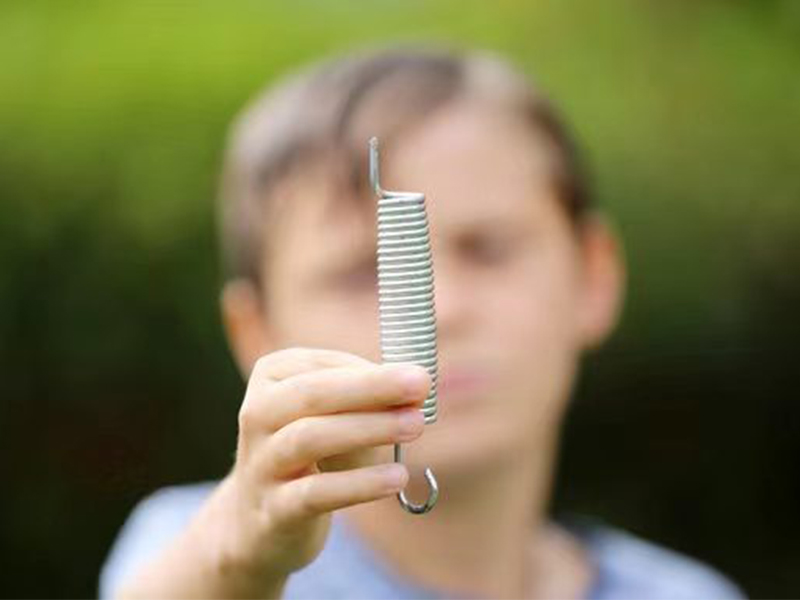
Micro-detail that matters: spring length matters more than people realize. Longer performance springs create a deeper deformation curve — less harsh bottoming-out compared to short cheap springs.
Springfree
Composite rods:
-
feel smoother
-
reduce harsh jolt at bottom
-
can feel “muted” to athletes
Some users describe it as “controlled,” others call it “dull.”
Micro-detail that matters: the rods bend with some lateral geometry. For casual jumping, you’ll never care. For gymnasts/trick kids, a tiny lateral component can feel “off” when trying to stick landings.
Practical translation:
-
If the user is 6–10 years old and mostly just jumping? Springfree’s bounce feels great.
-
If the user is a teen training flips and wants “gym-like response”? A premium spring trampoline usually wins.
4) Usable jumping space: the hidden “square footage” advantage
This is one of the best “small details” in your research because it’s real math buyers don’t consider:
Spring trampolines
A “10-foot” spring trampoline is measured frame to frame, but:
-
springs + pads eat perimeter space
-
the usable mat is smaller
-
the edge often bounces poorly anyway
Springfree
A “10-foot” Springfree gives you basically the full 10-foot jumping surface because the mechanism is outside the mat boundary.
Micro-detail that matters: in a small yard, Springfree often delivers more real bounce area per footprint. People think they’re comparing equal sizes when they aren’t.
5) Installation reality: “easy and repetitive” vs “wrestling match”
This is where Springfree ownership gets surprisingly real.
Spring trampolines
Install is usually:
-
frame together
-
use spring pull tool
-
attach in a cross pattern, then fill in
It’s physical, but straightforward.
Springfree
The rods are stiff on purpose. Installing them means bending them into the mat cleats under high tension.
The lived experience:
-
early rods feel doable
-
later rods feel like “this is impossible”
-
if you don’t follow sequence, you can end up unable to attach the last few
Micro-detail that matters: the “rope trick” and “use your core, not arms” is the difference between success and giving up.
Bottom line: Springfree often has a hidden cost if you pay for installation, and a hidden frustration cost if you DIY unprepared.
6) Durability & weather: rust cycle vs UV plastics cycle
Spring trampolines
The long-term enemies:
-
spring rust (especially at hook friction points)
-
pad UV degradation (often the first thing to die)
-
net replacement
-
spring “creep” / uneven rebound over time
Micro-detail that matters: springs don’t just “break.” They gradually lose uniformity. The trampoline gets uneven, then failures cascade.
Springfree
No spring rust. Rods don’t corrode. Great for coastal air.
But Springfree has its own aging profile:
-
protective rod sleeves can crack and flake under strong UV
-
plastic cleats can get brittle after many years
Micro-detail that matters: Springfree aging can look scary (cracked sleeves) even if the structure is still fine. It’s more “cosmetic alarm” than immediate failure — until it isn’t.

7) Total cost of ownership: “subscription to replacements” vs “big upfront bet”
This is how you say it in a way that doesn’t sound salesy:
-
Spring trampolines are cheaper upfront but you pay over time in pads, nets, and sometimes springs.
-
Springfree costs more upfront, but often avoids the constant replacement cycle—especially if warranty coverage is strong and you treat it normally.
Micro-detail that matters: resale value diverges massively. Used spring trampolines often become “free if you haul it,” while Springfree tends to retain value because people believe the frame/structure is still viable.
8) Noise: squeak culture vs stealth bounce
This seems small until you live with it.
Spring trampolines
Metal-on-metal movement creates squeaks and creaks. You can grease it, but grease attracts dirt and needs reapplying.
Springfree
Composite flexure is quiet.
Micro-detail that matters: in denser neighborhoods or if you hate constant squeaking, Springfree feels “premium” in daily life.
Who should buy which?
Choose Springfree if:
-
your #1 priority is reducing equipment-related injury modes
-
you have younger kids and want “forgiving” play
-
you live near the coast or want less rust risk
-
you want more usable space in a smaller footprint
-
noise matters
-
you value resale and long lifecycle
Choose a premium spring trampoline if:
-
your kids are older / athletic / trick-focused
-
you want the snappy vertical bounce
-
you want something that feels more like a training apparatus
-
you’re okay with maintenance and component replacement
-
you’d rather do a simpler DIY install
The “tiny nuance” summary
-
Springfree is safer by geometry, not by “better padding.” Read: Are Springfree trampolines really safer?
-
Traditional trampolines can be very safe if pads/nets stay in top condition—meaning you actually replace them like a real safety component.
-
Springfree’s edge is not a safe waiting zone (it moves).
-
Springfree install can be brutal without the right technique.
-
Spring trampolines often “die by consumables” (pads/nets/springs).
-
Springfree often “ages by plastics/UV sleeves,” not structure.
-
Athletes prefer springs; families prefer forgiveness.
What to Look for in a Backyard Trampoline
Backyard trampolines are a fantastic way for families to enjoy fun, exercise, and outdoor time together. Whether you’re jumping for fitness or for the sheer joy of it, a trampoline offers endless entertainment. However, with so many options available, choosing the right trampoline is crucial—not just for fun, but for safety and durability as well.
In this guide, we’ll walk you through the key features to look for when buying a backyard trampoline. From safety enclosures to sturdy frames, this post will ensure you make the best choice for your family while also staying safe.
Top Backyard Trampoline Brands
Here are some of the top-rated trampoline brands based on safety, performance, and durability:
| Model | Specs | Key Features | Pros | Cons |
|---|---|---|---|---|
| Springfree Medium Round (10’) | 10’ diameter, 220 lbs single jumper, 1,100 lbs structural capacity | Springless design, UV-resistant mat, high-quality safety enclosure | Extremely safe, durable, minimal maintenance | Higher price point |
| AlleyOOP PowerBounce | 14’ diameter, 250 lbs jumper capacity | Dual-spring system, 192 springs (128 primary, 64 secondary) | Superior bounce performance, great for athletes | Complex assembly, expensive |
| Jumpzylla 12’ | 12’ diameter, 330 lbs jumper capacity | Enclosure net, galvanized steel frame, foam padding | Affordable, solid safety features | Less durable over time |
| Skywalker 15’ Round | 15’ diameter, 200 lbs jumper capacity | Reinforced T-sockets, no-gap enclosure system | Large jumping surface, affordable | Lower weight capacity, moderate durability |
| ACON Air 16 Sport HD | 16’ diameter, 800 lbs jumper capacity | Rectangular design, performance-oriented springs | Exceptional performance and stability | High cost, large yard required |
What to Look For When Buying a Trampoline
When choosing a trampoline, the following features are essential for both fun and safety:
Safety Enclosure
A good safety net is the first line of defense against falls. Look for a net made from durable, high-impact materials that is tall enough to prevent users from bouncing over the edge. Overlapping doorways or zippers add an extra layer of protection by preventing accidental exits while jumping.
Shock-Absorbent Padding
All springs, hooks, and the frame should be covered by thick, shock-absorbent padding to protect jumpers from serious injuries. The padding reduces the risk of cuts, bruises, and impact injuries caused by hitting the metal parts of the trampoline.
High-Quality Jumping Mat
The mat is where all the action happens, so it needs to be durable. A UV-resistant mat not only withstands outdoor weather but also provides a consistent bounce. Look for high-quality materials.
Sturdy Frame Construction
A trampoline’s frame needs to be made from rust-resistant steel with reinforced joints. This provides the stability necessary for safe jumping and ensures the trampoline doesn’t twist or bend under pressure.
Springless Design (Optional)
Springfree trampolines stand out for their unique springless design, which replaces metal springs with flexible composite rods. This design eliminates pinch points and maximizes the jumping space, making it safer, especially for families with younger children.
Springfree Trampolines
Springfree is renowned for its springless design, which replaces traditional metal springs with flexible rods. This reduces the risk of injuries and maximizes the jumping space. Their trampolines also have a high weight capacity, with single jumper limits of up to 220 pounds and structural limits of up to 1,100 pounds.
AlleyOOP PowerBounce
Known for its superior bounce performance, the AlleyOOP PowerBounce trampoline uses a unique dual-spring system, featuring 192 springs (128 primary and 64 secondary). This design gives jumpers enhanced control and bounce, making it a popular choice for families and athletes alike.
Jumpzylla and Skywalker
These brands offer more affordable options while still prioritizing safety and durability. They provide trampolines in a variety of shapes and sizes to fit different backyard spaces and needs.
ACON Air
ACON Air trampolines are highly regarded for their performance, particularly their rectangular models that provide excellent bounce control and stability. These trampolines are perfect for serious jumpers who value precision and performance.
What to Avoid in a Trampoline
Not all trampolines are created equal. Here are some red flags to watch out for when choosing a trampoline:
Poor Safety Features
Trampolines without adequate safety nets or proper padding should be avoided. These features are essential in preventing falls and minimizing injury.
Low-Quality Materials
A trampoline made from substandard materials will wear out quickly and may even collapse under weight. Always choose trampolines with strong, rust-resistant frames and high-quality jumping mats.
Lack of Stability
A wobbling trampoline is an accident waiting to happen. Make sure your trampoline has a solid, stable base to prevent tipping.
No Compliance with Safety Standards
Trampolines should meet established safety standards, such as those recommended by the ASTM or the American Academy of Pediatrics (AAP). Trampolines that don’t comply with these regulations are more likely to be unsafe.
- Importance of Regular Trampoline Maintenance
To keep your trampoline safe and long-lasting, regular maintenance is a must:
Frequent Inspections
Check for wear and tear regularly, focusing on the mat, springs, padding, and safety net. Any damage should be addressed immediately.
Replacing Parts
Worn-out parts like springs, nets, or mats should be replaced as soon as they show signs of wear to avoid accidents.
Protective Covers
Using a protective cover can shield the trampoline from weather damage, extending its lifespan and keeping it in safe condition.
Backyard Trampoline Safety Quiz
Take this quick quiz to see how much you know about trampoline safety and features:
- What is the primary safety advantage of Springfree trampolines?
- List three characteristics of a bad trampoline.
- Which safety organization advises against home trampoline use and why?
- Apart from Springfree, name two other reputable trampoline brands.
- What is the maximum single jumper weight capacity of a Springfree trampoline?
(Answers can be found at the end of this post—no peeking!)
Safety Considerations
Even the best trampolines can be dangerous if not used properly. These safety tips are essential to ensure that everyone can enjoy the trampoline injury-free:
Adult Supervision
Children should never use a trampoline without adult supervision. Supervising adults can enforce safety rules and intervene in case of accidents.
Single Jumper Rule
One of the big causes of trampoline injuries is multiple jumpers at once. Enforce the single jumper rule to prevent collisions.
Age Restrictions
Children under six years old are at a higher risk of injury on full-sized trampolines. It’s recommended that younger kids use smaller, age-appropriate trampolines.
Routine Inspections
Regularly inspect the trampoline for wear and tear, particularly in the mat, netting, and padding. Damage should be fixed or replaced immediately to maintain safety.
Choosing the best backyard trampoline for your family involves finding a safe, durable, and trusted brand to ensure years of safe enjoyment. Remember to follow key safety practices, like adult supervision and regular maintenance, to keep the fun going while minimizing risks.
Don’t forget to test your knowledge with our quiz above, and enjoy your backyard trampoline responsibly!
Quiz Answers:
- Springfree trampolines use flexible composite rods instead of traditional springs, reducing the risk of injuries caused by pinch points.
- Three characteristics of a bad trampoline are poor safety features, low-quality materials, and inadequate weight capacity.
- The American Academy of Pediatrics (AAP) advises against home trampoline use due to the high rate of injuries.
- Two other reputable trampoline brands are Jumpzylla and Skywalker.
- The maximum single jumper weight capacity of a Springfree trampoline is 220 pounds.
Mini Trampolines for Adults 300 lb Capacity
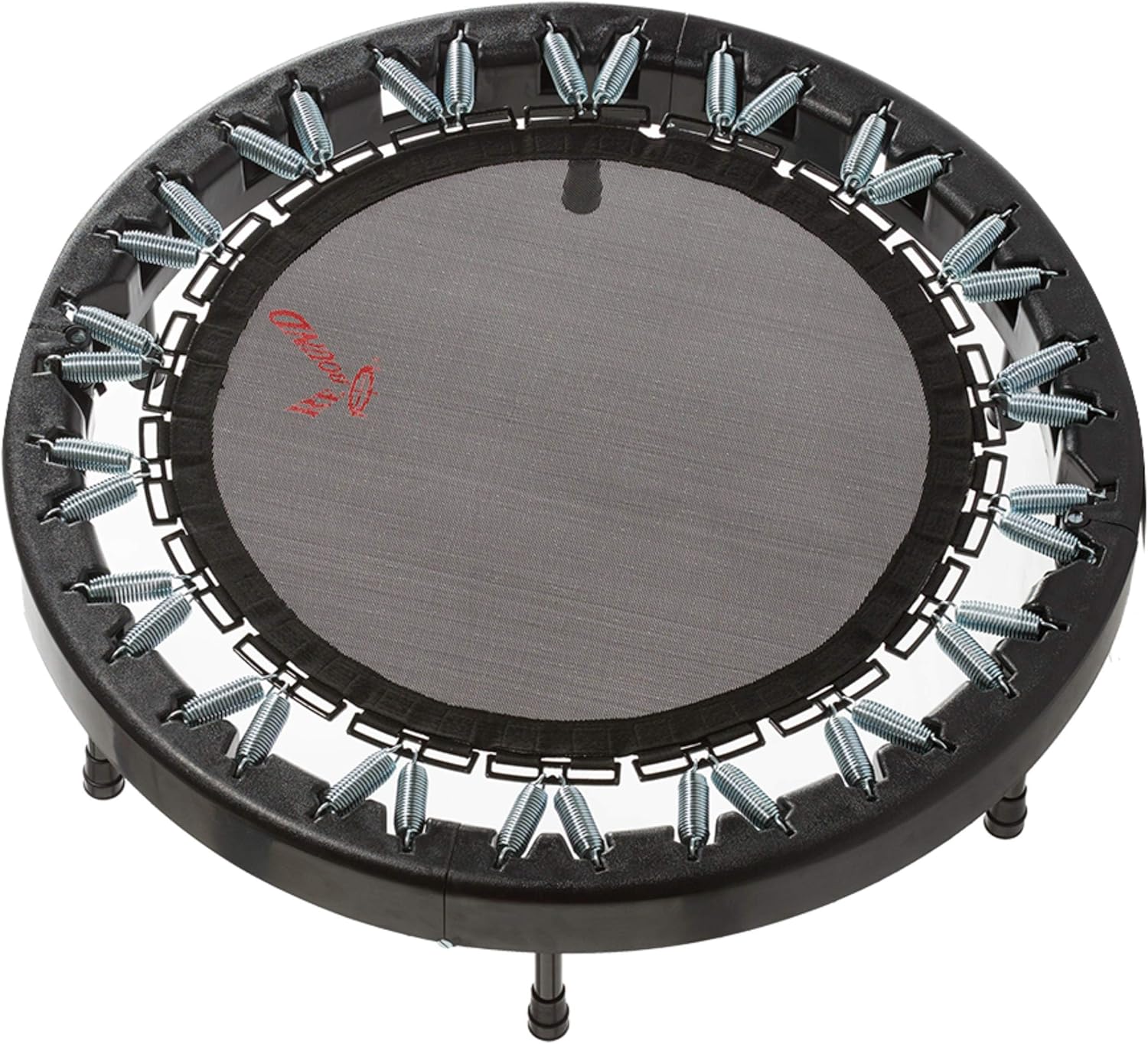
Mini Trampolines for Adults (300 lb+ Capacity): The Safe Rebounder Buyer’s Guide (2026)
In this guide, I’ll break down what fails first on “high capacity” rebounders, how to choose between springs vs bungees (especially for heavier adults), and which models make sense depending on your priorities: safety, joint protection, quiet operation, or long-term durability.
Quick Picks (Best High-Capacity Rebounders)
- Best Overall (Premium, Joint-Friendly): Bellicon (44″) with Ultra Strong bungees + screw-in legs
- Best Safety & Stability: JumpSport 570 PRO (arched legs + adjustable tension)
- Best “Buy It For Life” (Firm, Durable): Needak Hard Bounce (springs tuned for 300–600 lbs)
- Best Extra-Wide Platform: Acon Fit 55″ (space + confidence, very quiet)
- Best Budget That’s Actually Usable: BCAN 48″ (but expect maintenance)
| Trampoline Model | Weight Capacity | Frame Size | Spring System | Material | Dimensions | Weight | Unique Features |
|---|---|---|---|---|---|---|---|
| BCAN 40″ Foldable Mini Trampoline | 330 lbs | 40 inches | 32 Stainless Steel Springs | 3mm Alloy Steel Frame, PP Mat | 40″L x 40″W x 42″H | 26 lbs | Adjustable handle (4 heights), folds to 1/4 size |
| BCAN 48″ Foldable Mini Trampoline | 440 lbs | 48 inches | 40 Heavy-Duty Steel Springs | Alloy Steel Frame, PP Mat | Similar to 40″ model | 30 lbs | Larger surface, high weight capacity |
| Anwick 40″ Foldable Mini Trampoline | 330 lbs | 40 inches | Steel Spring System | Metal Frame, PP Mat | 39.37″L x 39.37″W x 45.28″H | 17.8 lbs | Lightweight, portable, easy storage |
| Newan 40″ Silent Fitness Mini Trampoline | 330 lbs | 40 inches | 30 Bungee Ropes (Silent) | Stainless Steel Tubing, PP Mesh | 40″L x 40″W x 9″H | 14.5 lbs | Bungee for silent operation, 6 legs for stability |
| Ultimate Rebounder by Rebound Air | 400 lbs | 48 inches | Heavy-Duty Steel Springs | Permatron Mat | Larger frame, folds in quarters | 28 lbs | Quarter-fold design, soft bounce for joint relief |
Want broader context on trampoline safety and what to watch for? Start here:
Are trampolines safe?
and
safest trampoline brands + safety rules.
Why “300 lb Capacity” Can Be Misleading (The Dynamic Load Reality)
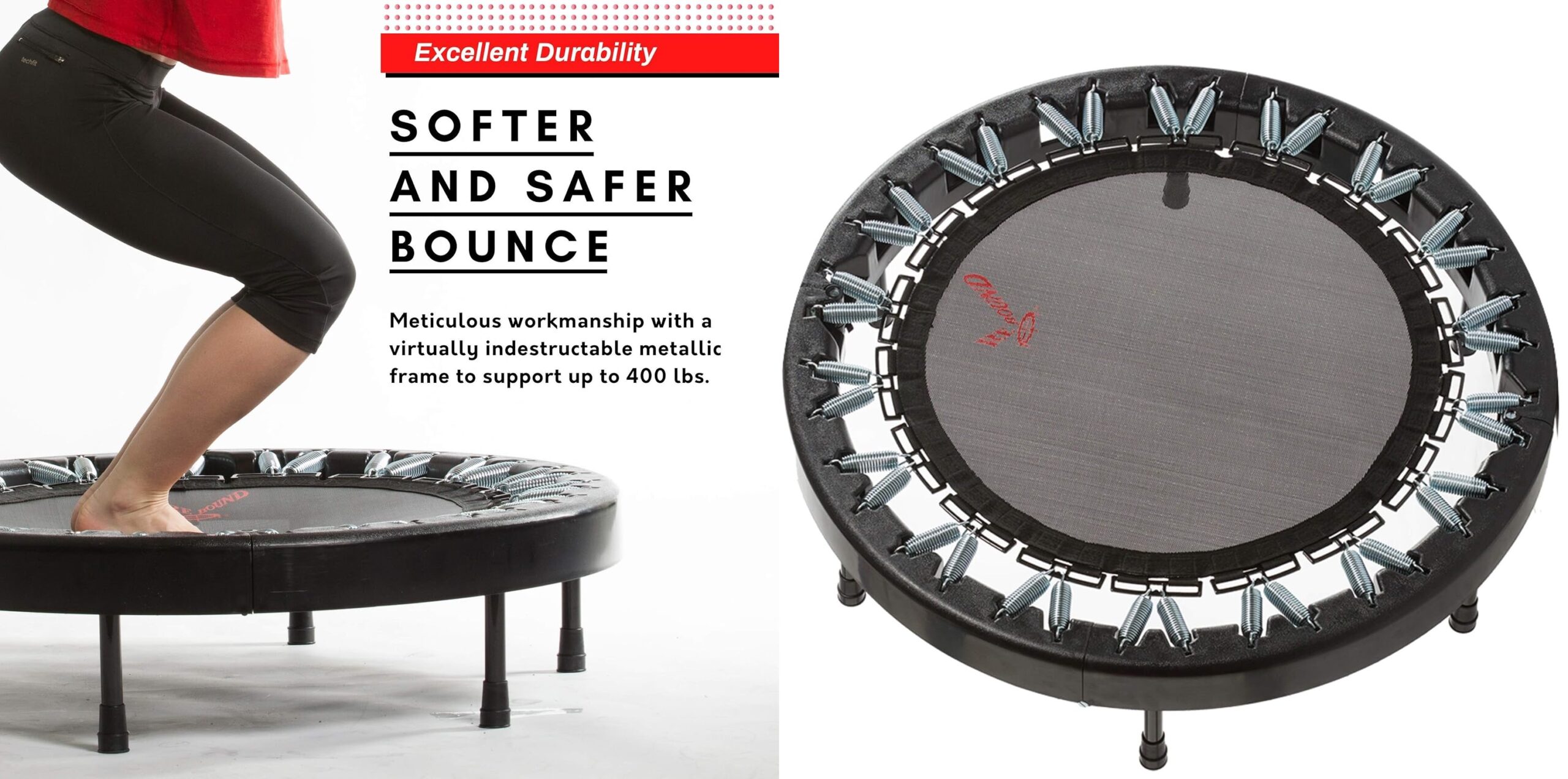
Most rebounders are “rated” using a static test—meaning the manufacturer checks that the unit can hold a certain weight without movement. But rebounding is dynamic. When you bounce, your body generates G-forces that temporarily multiply the load going into the mat and suspension.
- Health bounce (gentle): roughly 1.5–2 G → a 300 lb user can create 450–600 lbs of load
- Aerobic bouncing (cardio): roughly 3–4 G → a 300 lb user can spike load to 900–1,200 lbs
What this means: many “300 lb” rebounders don’t fail because the steel ring snaps—they fail because the textile components (mat stitching, V-ring connections, fabric webbing) can’t survive thousands of repeated high-load cycles.
If you want a deeper overview of what “300 lb weight limit” really means in the rebounder world, this internal page is a great companion:
Mini trampoline 300 pound weight limit (what to look for).
What Fails First on High-Capacity Rebounders (The “Stitching Fuse”)
The most common catastrophic failure on budget rebounders is the V-ring tearing out of the mat. The V-rings (metal triangles) are sewn into the mat/webbing area, and under dynamic load, the thread stretches, frays, and eventually shears.
Think of the V-ring stitching as the rebounder’s fuse. The frame can be fine… and the rebounder still becomes unusable if one ring rips out.
Monthly safety check (takes 60 seconds)
- Look for fraying thread or loose stitches near V-rings
- Check for uneven mat tension (one area sagging more than others)
- Inspect springs/bungees for deformation or visible wear
If your rebounder mat needs a deeper clean (sweat + dust matters over time), here’s a practical internal guide:
How to clean a trampoline mat.
Springs vs Bungees for 300 lb+ Adults (What Actually Matters)
Steel springs (firm “stop” + less bottoming out)
Springs behave predictably: the deeper they stretch, the harder they resist. For heavier adults, this provides a firm “stop” that reduces the risk of bottoming out (hitting the floor). Springs can feel more stable for balance-focused workouts.
Tradeoff: springs generally transmit more shock into the joints than bungees—especially on cheaper models with basic springs.
Bungee cords (joint-friendly + quiet)
Bungees create a smoother deceleration curve and can absorb a large portion of impact shock, which is great for knees, hips, and lower back.
But: for heavier users, “one-size-fits-all” bungees are often too soft. If the mat sinks deeply into a cone shape, your feet may roll inward (pronation), stressing ankles and knees. This is why bungee systems must be properly tensioned for 300 lb+ use.
Related deep dives you may like:
best trampoline springs
and
best trampoline mats.
The Best Mini Trampolines for Adults (300 lb+ Capacity)
1) Bellicon (44″) — Best Overall for Joint Protection (Premium Pick)
If your priority is low-impact cardio with minimal joint stress, Bellicon is the gold standard—but only if you configure it correctly for your weight.
- Get the right bungees: for 300 lb+ adults, choose Extra Strong or Ultra Strong bungees (don’t guess here)
- Choose screw-in legs: for heavy users, screw-in legs reduce wobble and eliminate hinge “play”
- Maintenance reality: bungees are consumables—expect replacement roughly every 12–18 months with frequent use
Best for: knee/back sensitivity, daily use, quieter operation, long-term ownership.
Want more rebounder-focused context overall? This internal page supports broader rebounder intent:
Rebounder trampoline guide.
2) JumpSport 570 PRO — Best Safety & Stability (Most Confidence-Inspiring)
JumpSport’s PRO line is built around one key advantage: stability. The arched leg geometry creates a wider footprint that resists tipping if you land slightly off-center—something that matters a lot when you’re training at 300 lbs+.
- Adjustable tension: as cords stretch over time, you can re-tighten them (extends usable life)
- Great for beginners: feels “locked in” compared to many budget frames
- Note: the mat “petals” are safety coverage—your true jumping area is the inner mat
Best for: balance concerns, fear of tipping, confident cardio, long-term reliability.
3) Needak Hard Bounce — Best “Buy It For Life” Durability
Needak is the tank of rebounders. The Hard Bounce configuration is specifically tuned for heavier users (roughly 300–600 lbs) with stiffer springs that give you a responsive return without feeling like you’re sinking.
- High capacity with real-world margin: built for heavier bodies and long-term cycling
- Firmer ride: less “float,” more stability and cadence
- Tradeoff: springs can be louder than bungees and feel less forgiving than Bellicon
Best for: long-term ownership, firm bounce preference, stability-focused training.
4) Cellerciser (Bi-Fold) — Best Fast, “Gym-Like” Bounce
Cellerciser uses tapered spring behavior designed to feel responsive across a range of weights. Heavy users often describe it as fast and “athletic,” supporting higher cadence workouts.
- Responsive bounce: supports quick movement patterns
- Solid feel: sturdy hinge design compared to many foldables
- Tradeoff: still a spring system → a bit more “jar” than premium bungees
Best for: higher-intensity cadence, “trainer” style workouts, sturdy folding.
5) Acon Fit 55″ — Best Extra-Wide Platform (Space + Confidence)
If you feel cramped on a 40″ rebounder, the Acon Fit’s larger footprint is a big deal. More usable space increases confidence, reduces accidental edge landings, and supports wider-stance movements.
- Huge landing zone: better for big bodies and wide movements
- Quiet bungee suspension: great for apartments
- Caveat: it’s large and typically not a “store it under the bed” option
Best for: space, quiet workouts, wide stance movements, confidence.
Budget Options You Identified (What to Know Before You Buy)
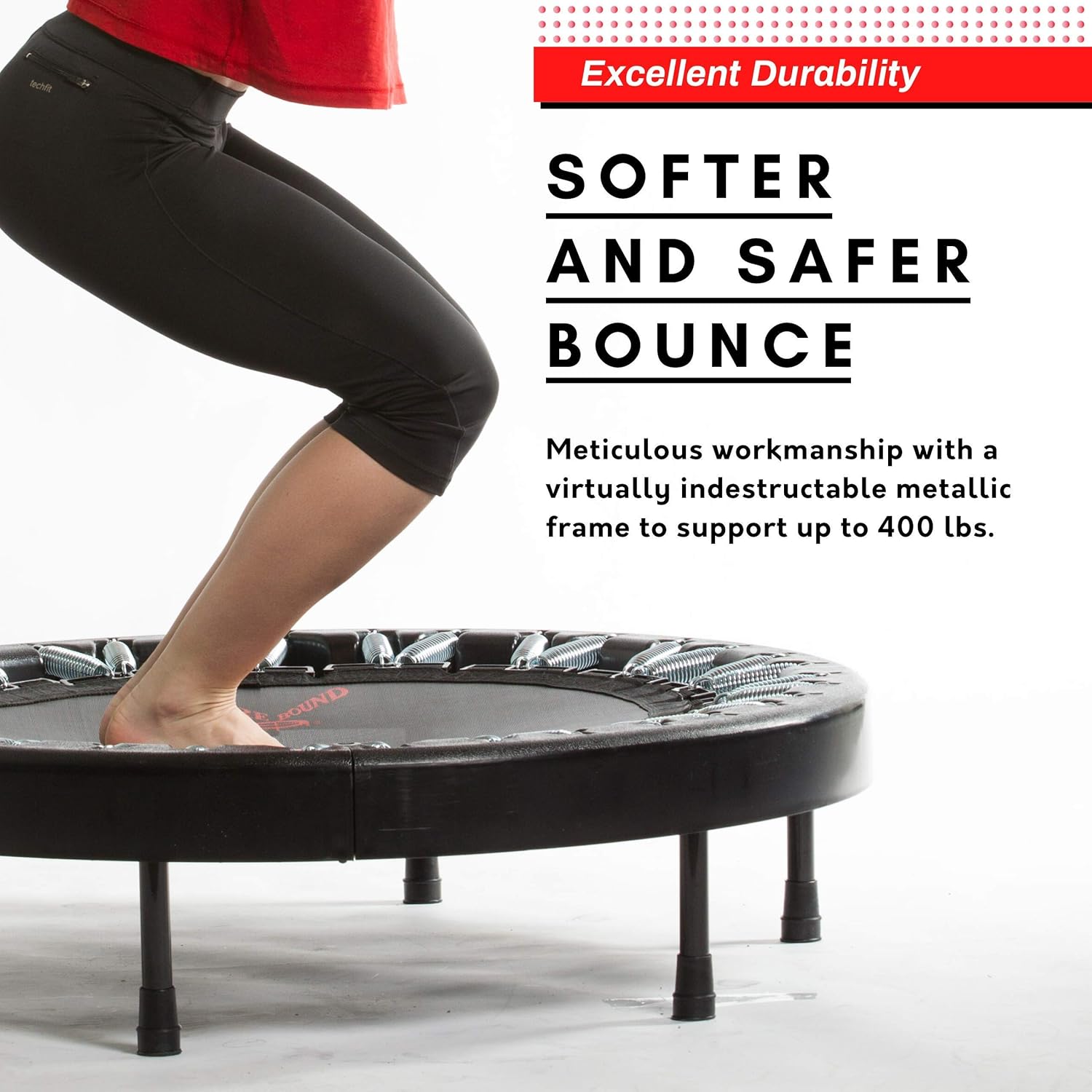
These can work—especially if you’re starting out—but the key is setting expectations. For heavier adults, budget rebounders often become a cycle of parts replacement (springs, mats) or early retirement due to wear at the stitching and attachment points.
BCAN 48″ Foldable (claimed 440 lbs)
- Why it’s the best budget pick: larger diameter = more stability and more forgiving landings
- Common issue: spring breakage under heavy daily use (expect replacements over time)
- Watch-outs: folding hinge “play” can develop, and mat stitching is a known weak point
Who it’s for: you need something now, want the bigger surface, and you accept maintenance.
BCAN 40″ Foldable (claimed 330 lbs)
- Smaller platform: less forgiving for balance and edge landings
- Same spring/stitch concerns: just in a tighter footprint
Who it’s for: limited space, light “health bounce,” not aggressive cardio.
Anwick 40″ Foldable (claimed 330 lbs)
- Biggest complaint: noise (metal-on-metal squeak) and fast wear
- Rust risk: humid environments + sweat can accelerate oxidation
Who it’s for: ultra-tight budget, short-term use, you don’t mind maintenance.
Newan 40″ Silent (bungee, claimed 330 lbs)
- Why people like it: quieter bounce than springs
- Heavy-user risk: bungees can permanently stretch and mat can sag over time
- Connector risk: lower-grade clips/loops can fail under high tension
Who it’s for: quiet-only priority, lighter bouncing, not long-term heavy daily cardio.
Ultimate Rebounder by Rebound Air (claimed 400 lbs)
- Best feature: quarter-fold portability
- Heavy-user caveat: hinge flex can feel “wobbly” compared to more rigid frames
Who it’s for: portability is the main goal and you accept some compromise in rigidity.
If you want a broader roundup beyond this page’s “300 lb+” focus, you can also browse:
best mini trampoline reviews.
How to Choose (Simple Decision Guide)
- Joint pain / back sensitivity: Bellicon (Ultra Strong bungees, screw-in legs)
- Balance or tipping concerns: JumpSport 570 PRO
- Want something that lasts years (firm bounce): Needak Hard Bounce
- Need wide space + quiet: Acon Fit 55″
- Need budget now: BCAN 48″ (plan for spring + stitching maintenance)
Noise, Maintenance, and Safety Tips (Especially for Heavy Users)
How to reduce squeaks (springs)
Spring rebounders commonly squeak where metal meets metal. A thick lubricant lasts longer than thin sprays.
- Use white lithium grease (or petroleum jelly) on spring hooks
- Avoid thin sprays that evaporate quickly
- Expect to reapply periodically (dust/pet hair can stick to grease)
How to quiet bungee creaks
- Use a dry silicone lubricant on plastic-to-metal contact points
- Avoid oily lubricants that can degrade rubber over time
Monthly inspection checklist
- Check V-ring stitching for fray or loose thread
- Inspect springs for deformation or gaps
- Inspect bungees for stress marks, cracking, or permanent stretch
- Confirm legs are tight and the frame sits flat (no wobble)
For general upkeep, these internal pages are helpful:
trampoline care
and
how long trampolines last.
FAQ: Mini Trampolines for Adults Over 300 lbs
Is a “330 lb capacity” rebounder safe for a 300 lb adult?
Sometimes—but it depends on dynamic use and build quality. A 300 lb adult doing light “health bouncing” may be fine. A 300 lb adult doing aggressive cardio can spike forces far above the rating. On many budget models, the mat stitching and attachment points are the real failure risk.
What diameter is best for a 300 lb adult?
Bigger is usually safer. A 48″ rebounder often feels more stable and forgiving than a 40″ because it gives you more usable space and a wider stance. If you have the room, size is your friend.
Are bungees better than springs for heavy users?
Bungees are usually better for joints, but only if the tension is calibrated for your weight. Too-soft bungees can cause a deep “cone” shape that encourages ankle pronation and can even lead to bottoming out. Springs are firmer and reduce bottom-out risk, but can transmit more joint shock.
Do I need a handlebar?
For many 300 lb+ beginners, yes. A stability bar improves confidence, reduces fall risk, and lets you offload some weight through your arms while you build balance and endurance.
What’s the #1 thing I should inspect for safety?
The V-ring stitching (where the springs/bungees connect to the mat). Fraying, loose thread, or tearing near connection points is the earliest warning sign of a future failure.
How long should a high-quality rebounder last?
Premium frames can last many years (even decades). Consumables like bungees, mats, and springs will wear out depending on frequency and intensity. Regular inspection + replacing wear items before failure is the key to safe long-term use.
Kangaroo Hoppers Trampolines: Info & Thoughts
If you’re looking up Kangaroo Hoppers trampolines, chances are you’re searching for real reviews, safety breakdowns, and whether they’re worth the price. This brand has gained serious traction — and for good reason. Here’s everything you need to know.
🧷 Quick Summary
- Brand Reputation: ⭐ 4.8–4.9/5 average rating across 12,500+ customer reviews
- Top Features: High weight capacity, safety-first design, all-in-one packages
- Best For: Families with kids or adults looking for backyard fun
- Potential Downsides: Inconsistent customer service in rare cases

🏆 Highlighted Models
🔹 Kangaroo Hoppers 1500lbs Trampoline (with Basketball Hoop)
- Price: ~$399.99–$509.99 (via Walmart)
- Weight Capacity: 1,500 lbs total / 330 lbs per user
- Key Features:
- Foam-padded poles & reinforced enclosure
- 96 rust-resistant springs & UV-resistant jumping mat
- L-shaped zipper for added safety
- Includes ladder, shoe bag, basketball hoop
- Pros:
- Excellent bounce quality
- Straightforward assembly
- Designed for both kids and adults
- Cons:
- Occasional reports of slow customer service
🔹 Kangaroo Hoppers 10FT/12FT Weld-less Trampoline
- What Makes It Unique:
- No nuts, bolts, welding, Velcro, or plastic
- Reduces potential structural failure points
- Safety Highlights:
- Foot protection system
- Net is clipped directly to the jumping mat
- Ideal For: Harsh climates (weather-resistant build)
- Certifications: ASTM, CE, TUV, ISO9001
- Feedback:
- Easy setup
- Secure and safe
- Occasional delivery issues noted
Click here to see the trampoline models
✅ What Real Buyers Are Saying
Positive Feedback:
- Parents consistently praise the trampolines for their value, quality, and ease of setup.
- Many mention that instructions are clear and well-labeled.
- One buyer noted: “Much easier to set up and better quality, especially the net, compared to previous trampolines.”
- Another shared: “My kiddos are having so much fun with it! Great quality!”
- Across review sites, Kangaroo Hoppers often earns 4.8 to 4.9-star averages, with emphasis on stability and family enjoyment.
Negative Feedback:
- Some customers report missing or damaged parts on delivery.
- Others experienced unresponsive or slow customer service, especially around returns and replacements.
- Common complaints include missing springs, warped frames, and automated support responses.
- One user described the service as “the absolute worst”, while others said issues were only resolved after contacting third parties like the Better Business Bureau (BBB).
💡 Pro Tip: Buy from retailers with strong return policies (like Amazon or Walmart) to mitigate post-purchase support risks.
⚖️ Comparison at a Glance
| Feature | Kangaroo Hoppers | Skywalker | Springfree |
|---|---|---|---|
| Weight Capacity | Up to 1,500 lbs (total) | ~200 lbs per user | ~220 lbs per user |
| Safety Certification | ASTM, CE, TUV, ISO9001 | ASTM | Proprietary testing |
| Included Accessories | Basketball hoop, ladder | Optional | Optional |
| Frame Design | Weld-less (in some models) | Welded | Rod-based (springless) |
| Assembly Difficulty | Easy | Moderate | Complex |
🧾 Final Verdict
Kangaroo Hoppers trampolines stand out for their thoughtful design, ease of use, and high safety standards. With models that support both kids and adults, a sleek look, and generous accessories, it’s a family-favorite brand. While customer service could be more responsive in rare situations, most users walk away thrilled with their purchase.
👍 Recommended For:
- Families with kids of varying ages
- Buyers who want high weight limits and full safety features
- Anyone seeking great value under $500
👎 Not Ideal For:
- Those who prioritize ultra-premium service/warranty experience
🎁 Want Help Choosing the Right Trampoline?
Don’t leave it to guesswork. Download our FREE Trampoline Buying Guide + Safety Checklist to get everything you need to make the right choice — all in one printable PDF.
✅ Compare sizes and safety features
✅ Avoid common (and costly) mistakes
✅ Plan your backyard with confidence